Digital Marketing Social Banner: Crafting Your Visual Voice
Scroll through any feed for five seconds and you’ll notice something immediately: the brands that stop your thumb are the ones with a clear, confident visual identity. They aren’t necessarily the loudest; they’re the most consistent. For a small business owner or a content creator, achieving that level of polish often feels like a mountain to climb, especially when you’re juggling a dozen other roles. This is where a well-structured Digital Marketing Social Banner template becomes less of a luxury and more of a strategic necessity.
The Anatomy of a High-Impact Template
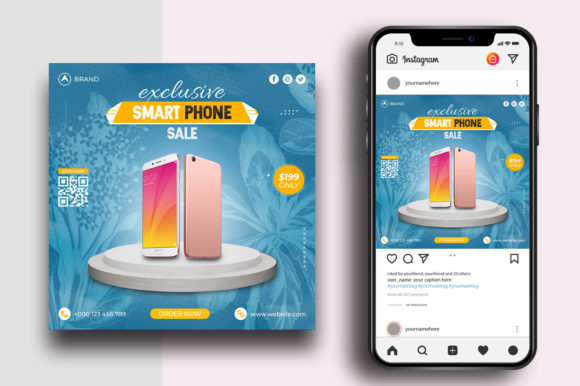
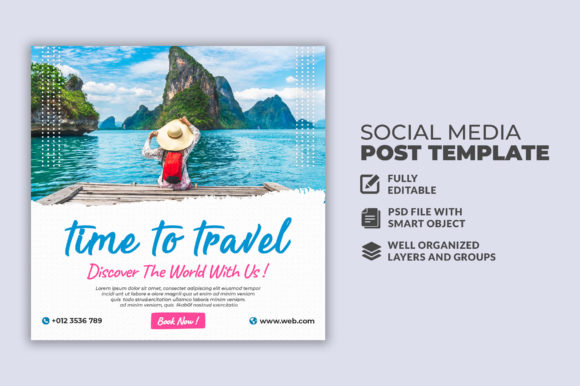
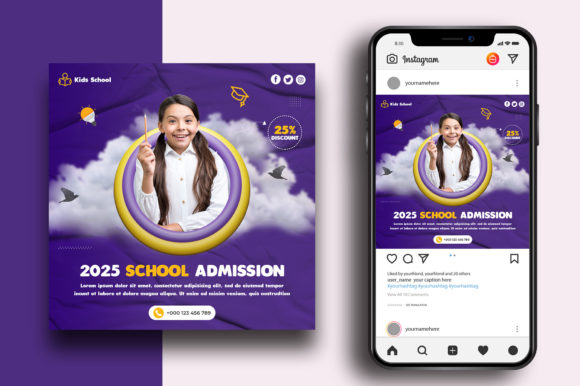
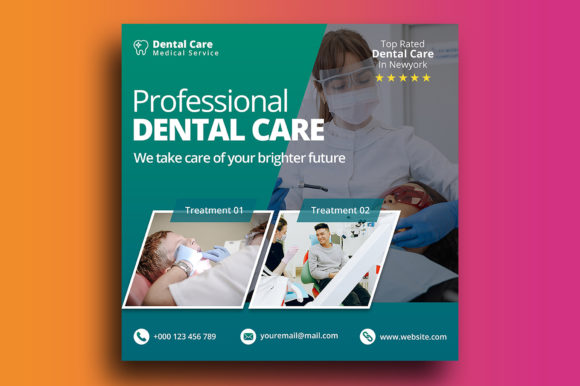
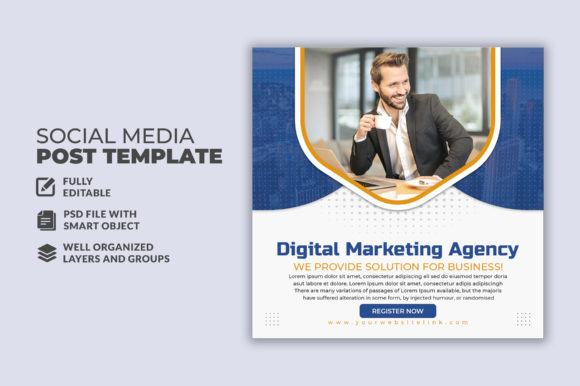
At first glance, a social media post template might seem like just a pre-made box for your text. But a professional-grade asset, like a 1080x1080 pixel, fully layered PSD file, is actually a toolkit for visual storytelling. The magic lies in the details—specifically, the "100% Layered and Full Editable" structure. When a file is well-organized, it allows you to peel back the design and manipulate individual elements without breaking the composition. You aren’t just swapping a picture; you are adjusting the hierarchy of information to fit your specific campaign goals.
Consider the difference between a generic flyer and a tailored suit. A generic flyer forces your content into a rigid mold. A tailored suit, however, is cut to your measurements. In design terms, this means having separate layers for the background, text blocks, and graphic elements. It allows you to maintain the visual integrity of the design while injecting your unique brand personality. The ability to edit text with a simple text tool means you can A/B test different calls to action in minutes, rather than hours, which is crucial for agile digital marketing.
Beyond the Feed: Practical Applications for Business Growth
While the name suggests social media, the utility of a high-quality Digital Marketing Social Banner extends far beyond Instagram or Facebook. Think of these templates as modular design assets. Because they are typically designed with modern typography and clean lines, they translate beautifully across various mediums.
For instance, if you are launching a new product, you can use the template structure for your packaging design mockups. The visual language established in your social posts can bleed into your web design, ensuring that the customer experience is seamless from the ad they clicked to the landing page they land on. Small businesses often use these layouts for print materials like in-store signage or event invitations, ensuring that the brand identity remains cohesive whether the customer is looking at a screen or a physical poster.
Furthermore, content creators can repurpose these layouts for editorial design. If you are a blogger or a publisher, a clean banner template can be adapted for blog headers or digital products like e-book covers. The goal is to create a visual shorthand that your audience recognizes instantly, building the kind of trust that leads to engagement.
Typography as a Strategic Tool
A template is only as good as the typography that holds it together. When working with editable PSD files, you have the opportunity to experiment with different typeface combinations to see what resonates with your audience. Typography is not just about legibility; it’s about tone.
A sans serif font might communicate modernity and efficiency—perfect for a tech startup or a fitness brand. Conversely, a script font or handwritten font can add a layer of warmth and authenticity, ideal for lifestyle brands or artisanal products. The key is to look for templates that utilize premium font choices that are free for commercial use. This removes the headache of licensing issues later and ensures your marketing assets look expensive and polished.
When customizing your template, pay attention to font pairing. A common mistake is choosing two fonts that are too similar, which creates visual confusion, or two that are too chaotic, which creates noise. Look for contrast: pair a bold, heavy display font for your headline with a lighter, readable body text. This hierarchy guides the viewer’s eye naturally, ensuring your message is absorbed rather than just seen.
Consistency and Professional Presentation
One of the biggest hurdles for growing brands is maintaining visual consistency. When you are creating content on the fly, it’s easy for your colors to drift or your spacing to become uneven. Using a structured Digital Marketing Social Banner template acts as a guardrail.
By locking in the structural elements—the grid, the margins, the placement of the logo—you ensure that every post looks like it belongs to the same family. This consistency builds brand recognition. Over time, your audience will start to recognize your content before they even read the caption. This is the power of modern typography and layout design working in tandem.
Moreover, professional presentation signals reliability. If your social graphics look sloppy or disjointed, potential customers might subconsciously wonder if your service or product is also sloppy. Conversely, a sleek, well-organized design suggests attention to detail and competence. It’s a silent ambassador for your brand standards.
Customization Tips for Maximum Impact
Once you have your file open in Photoshop, resist the urge to change everything immediately. Start by analyzing the existing structure. Since these files are "Well Organized," look for the folder structure. Good designers group layers logically—background elements in one folder, text in another, and overlays in a third.
When you start editing, keep readability at the forefront. It’s tempting to use a decorative display font for everything, but this can make your message hard to decipher, especially on mobile screens where real estate is limited. Use high-contrast colors for your text and background. If you place text over an image, ensure the image isn't too "busy" or use a semi-transparent overlay to make the text pop.
Finally, don’t be afraid to break the grid slightly once you are comfortable. While the template provides the structure, your brand provides the soul. Swap out the placeholder images for high-quality photography that reflects your specific audience. Adjust the color palette to match your hex codes exactly. The goal is to use the template as a scaffold, not a cage.
By leveraging these design assets effectively, you save time, reduce decision fatigue, and elevate the quality of your output. Whether you are a creative entrepreneur or a hobbyist, having a reliable set of templates allows you to focus on what you do best: creating great content and serving your customers.